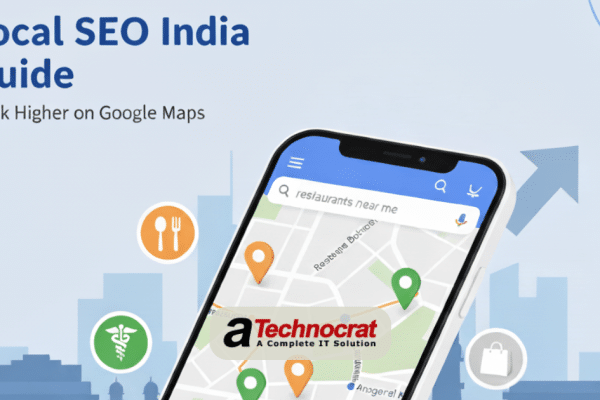

A common question from US small business owners: should we focus on local SEO or organic SEO first? The honest answer is that it depends on how your customers actually find you — and most businesses need a blend of both, weighted differently.
What’s the Difference?
Local SEO optimizes for geographically-tied searches — “plumber near me,” “best dentist in Austin” — and centers on your Google Business Profile, local citations, and location-specific pages. Organic SEO is broader: ranking for non-location-specific informational and commercial keywords across the wider web, regardless of where the searcher is.
When Local SEO Should Come First
- You serve customers who visit a physical location (restaurants, clinics, retail stores)
- Your service area is geographically limited (home services, local contractors)
- Most of your revenue comes from a specific city or region
For these businesses, showing up in the Google Map Pack and local search results often drives more immediate, high-intent traffic than broader organic rankings.
When Organic SEO Should Come First
- You sell nationally or internationally (ecommerce, SaaS, remote services)
- Your customers research extensively before buying (B2B, high-ticket items)
- You want to build long-term brand authority beyond a single region
These businesses benefit more from topical content, backlinks, and technical SEO that competes on a national or global stage rather than a hyper-local one.
Why Most US Small Businesses Need Both
Even a locally-focused business benefits from organic content that builds authority (blog posts, guides, case studies) which in turn strengthens local rankings too — Google factors overall site authority into local results. Meanwhile, even nationally-focused businesses often have a physical HQ or service hubs worth optimizing locally.
A Practical Prioritization Framework
Start by mapping where your actual revenue comes from: if 80% of customers are local, put 70-80% of SEO effort into local optimization (Google Business Profile, reviews, local citations, location pages) and the rest into supporting organic content. Flip that ratio if your customer base is national or online-first.
Getting Started
The right mix depends entirely on your business model — there’s no universal answer. We help US small businesses map out the right balance as part of our SEO services for the US market, built around actual customer behavior rather than a one-size-fits-all template.